
What does it really cost to heat a Hamilton home?
November 3, 2026
One Hamilton family of four switched from ducted gas to ducted reverse cycle, with a VEU rebate helping cover the upfront cost.
They’ve shared their 2026 gas bills so you can see what their heating was costing, and how that compares with the estimated running costs of their new system.
This is one household’s comparison, not a promise of savings. Costs depend on your home, heating system, how you use it and your energy plan.
The household
- A family of four in a four-bedroom home in Hamilton
- An old ducted gas heater, used throughout the house most days from autumn to spring
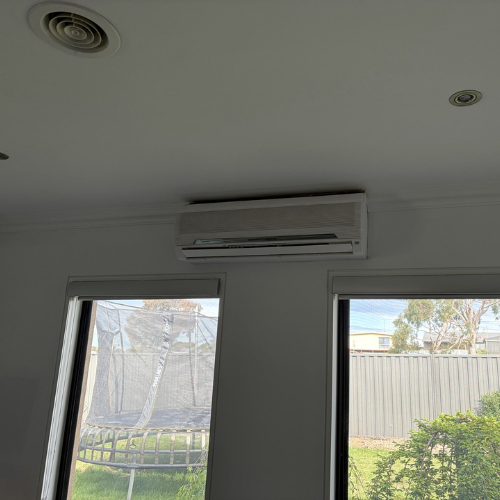
- A living room split system for cooling
- Gas hot water and a gas stovetop, which they’re keeping
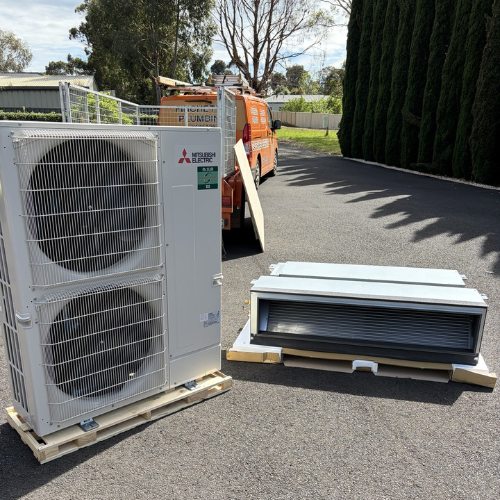
- Now heating and cooling the whole house with a Mitsubishi Electric ducted reverse-cycle system, installed by Finchetts in late October 2026
Heating costs
| Bill period | Gas bill |
|---|---|
| Late Nov to early Feb (summer) | $203.76 |
| Feb to early Apr | $239.32 |
| Apr to Jun | $412.60 |
| Jun to late Jul | $698.30 |
| Late Jul to late Sep | $681.46 |
In summer, with the heater off, their gas bill covered hot water and cooking, at about $3 a day. Through winter, that jumped to around $12 a day.
Across five bills, they paid $2,235 for gas. Around $1,300 of that went on running the heater.
The cost of switching
During 2026, their gas usage rate rose twice, in June and again in August. By the end of winter they were paying about 10% more than they were in summer. Their daily supply charge went up by about 7% as well.
They started looking at other options to lower their heating costs.
Reverse cycle comparison
Reverse-cycle heating moves heat from outside to inside. For every unit of electricity it uses, it delivers around three to four units of heat. Using their bills and current electricity rates, we estimate their heating costs will reduce from $1,300 to around $800 a year (saving around 38%).
AND the new system can also cool the whole house in summer.
The maths: We took the extra gas used in the cooler months and allowed a little for the hot water system working harder in winter. We assumed the old ducted gas heater was about 75% efficient, and that the new system delivers about 3.5 units of heat for every unit of power. We then used the family’s actual electricity rates.
This is an estimate, not a measured result, and it compares heating only. Summer cooling costs aren’t included. Real costs will depend on the weather, how the system is used and the family’s energy plan. We’ll update this post with their real electricity costs after their first winter on reverse cycle.
What are your gas heating costs?
Grab your last few gas bills and compare your summer and winter amounts. If you also have gas hot water or cooking, your summer bill is a good baseline. The jump in winter is roughly what your heater is costing you.
Your numbers won’t be the same as this family’s, and that’s the point. Every home is different.
Thinking about switching? We’ll assess at your home, current system and heating needs, and explain your options. If you’re replacing an eligible gas heater, VEU support may also apply.

You might also like ...
November 2, 2026
Philmac PUSH lands at Finchetts first
October 15, 2026
Mitsubishi Electric split systems: When they’re the right fit
October 14, 2026